Invertebrates: The Hidden Gems of the Reptile World
- Customer Service
- May 19
- 5 min read

In the vast and diverse world of reptiles, we often overlook a crucial group of creatures that play significant roles in our ecosystems: invertebrates. These fascinating organisms, which include everything from insects to mollusks, are not only essential for the health of our environment but also showcase incredible adaptations and behaviors. In this blog post, we will explore the hidden gems of the invertebrate world, their importance, and how they relate to reptiles.
Understanding Invertebrates
Invertebrates are animals that lack a backbone. They make up about 95% of all animal species on Earth and are incredibly diverse in form, function, and habitat. Here are some key characteristics of invertebrates:
Lack of Backbone: Unlike vertebrates, invertebrates do not have a spinal column.
Diverse Habitats: They can be found in almost every habitat on Earth, from deep oceans to high mountains.
Varied Body Structures: Invertebrates exhibit a wide range of body plans, including soft-bodied organisms like jellyfish and hard-shelled creatures like crabs.
Major Groups of Invertebrates
Invertebrates can be classified into several major groups, each with unique characteristics:
Arthropods: This group includes insects, arachnids (like spiders and scorpions), and crustaceans (like crabs and lobsters). They are characterized by their exoskeletons, segmented bodies, and jointed limbs.
Mollusks: Mollusks include snails, clams, and octopuses. They often have soft bodies and may possess a hard shell for protection.
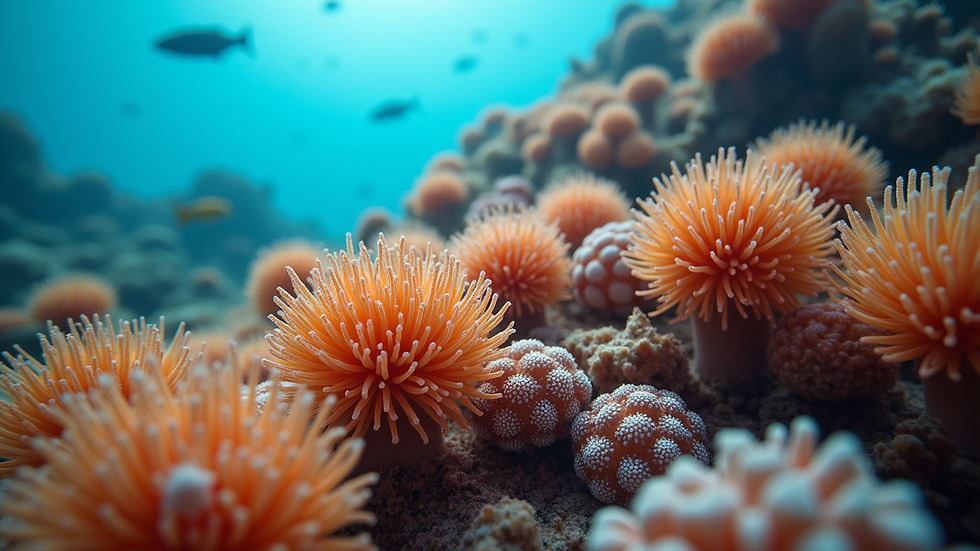
Cnidarians: This group includes jellyfish, corals, and sea anemones. They are known for their stinging cells, which they use for capturing prey.
Annelids: Annelids, such as earthworms and leeches, are segmented worms that play vital roles in soil health and nutrient cycling.
Echinoderms: This group includes starfish, sea urchins, and sand dollars. They are known for their radial symmetry and ability to regenerate lost body parts.
The Role of Invertebrates in Ecosystems
Invertebrates play critical roles in various ecosystems, contributing to biodiversity and ecological balance. Here are some of their key functions:
Pollination
Many invertebrates, particularly insects like bees and butterflies, are essential pollinators. They facilitate the reproduction of flowering plants, which in turn supports entire ecosystems. Without these pollinators, many plants would struggle to reproduce, leading to a decline in food sources for other animals, including reptiles.
Decomposition
Invertebrates such as earthworms and certain beetles are vital for breaking down organic matter. They help decompose dead plants and animals, returning nutrients to the soil and promoting healthy plant growth. This process is crucial for maintaining the balance of ecosystems.
Food Source
Invertebrates serve as a primary food source for many reptiles. For example, lizards and snakes often rely on insects and other invertebrates for sustenance. The health of invertebrate populations directly impacts the survival of these reptiles.
Soil Health
Earthworms and other soil-dwelling invertebrates improve soil structure and fertility. They aerate the soil, allowing water and nutrients to penetrate deeper, which benefits plant life. Healthy soil is essential for the growth of vegetation that reptiles depend on for habitat and food.
Fascinating Adaptations of Invertebrates
Invertebrates exhibit a wide range of adaptations that allow them to thrive in diverse environments. Here are a few remarkable examples:
Camouflage
Many invertebrates have developed incredible camouflage techniques to evade predators. For instance, the stick insect mimics twigs and branches, while the cuttlefish can change its color and texture to blend in with its surroundings.
Bioluminescence
Some invertebrates, like certain jellyfish and deep-sea creatures, possess the ability to produce light through bioluminescence. This adaptation can be used for attracting prey, deterring predators, or communicating with others.
Regeneration
Echinoderms, such as starfish, have the remarkable ability to regenerate lost limbs. This adaptation allows them to survive predation and continue thriving in their environments.
Unique Reproductive Strategies
Invertebrates exhibit a variety of reproductive strategies. For example, some species of octopuses lay thousands of eggs, while others, like certain insects, undergo complex life cycles involving metamorphosis.
Invertebrates and Reptiles: A Symbiotic Relationship
The relationship between invertebrates and reptiles is often symbiotic. Reptiles rely on invertebrates for food, while invertebrates benefit from the habitats created by reptiles. Here are some examples of this relationship:
Habitat Creation
Reptiles, such as tortoises and alligators, create habitats that support invertebrate populations. For instance, tortoises dig burrows that provide shelter for various invertebrates, while alligators create ponds that attract insects and other small creatures.
Pest Control
Certain reptiles, like lizards and snakes, help control invertebrate populations by preying on them. This natural pest control is essential for maintaining ecological balance and preventing overpopulation of harmful insects.
Nutrient Cycling
As reptiles consume invertebrates, they contribute to nutrient cycling within ecosystems. The waste produced by reptiles enriches the soil, benefiting plant life and, in turn, supporting invertebrate populations.
Threats to Invertebrate Populations
Despite their importance, invertebrates face numerous threats that jeopardize their survival. Here are some of the most pressing issues:
Habitat Loss
Urbanization, agriculture, and deforestation lead to habitat destruction, significantly impacting invertebrate populations. Loss of habitat reduces food sources and breeding grounds, making it difficult for these organisms to thrive.
Pollution
Chemical pollutants, such as pesticides and heavy metals, can have devastating effects on invertebrate populations. These substances can disrupt reproductive systems, lead to mortality, and reduce biodiversity.
Climate Change
Climate change poses a significant threat to invertebrates. Rising temperatures, ocean acidification, and changing weather patterns can alter habitats and disrupt life cycles, leading to population declines.
Invasive Species
Invasive species can outcompete native invertebrates for resources, leading to declines in local populations. For example, the introduction of non-native insects can disrupt local ecosystems and threaten native species.
Conservation Efforts for Invertebrates
Recognizing the importance of invertebrates, various conservation efforts are underway to protect these vital organisms. Here are some initiatives making a difference:
Habitat Restoration
Organizations are working to restore habitats that have been degraded by human activity. This includes reforestation, wetland restoration, and creating protected areas to safeguard invertebrate populations.
Pollution Control
Efforts to reduce pollution, such as stricter regulations on pesticide use and waste management, are crucial for protecting invertebrates. Community awareness campaigns also play a role in promoting environmentally friendly practices.
Research and Education
Scientific research is essential for understanding invertebrate populations and their roles in ecosystems. Educational programs help raise awareness about the importance of invertebrates and encourage conservation efforts.
Citizen Science
Citizen science initiatives allow individuals to contribute to invertebrate research and monitoring. By participating in data collection and observation, people can help track invertebrate populations and contribute to conservation efforts.
Conclusion
Invertebrates are the hidden gems of the reptile world, playing essential roles in ecosystems and supporting the survival of reptiles. Their diverse adaptations and critical functions highlight the importance of protecting these often-overlooked creatures. By understanding their significance and advocating for their conservation, we can ensure a healthier planet for all living beings.
As you explore the natural world, take a moment to appreciate the incredible invertebrates that contribute to the beauty and balance of our ecosystems. Whether it's a butterfly fluttering by or a worm burrowing in the soil, these hidden gems deserve our attention and protection.


Comments